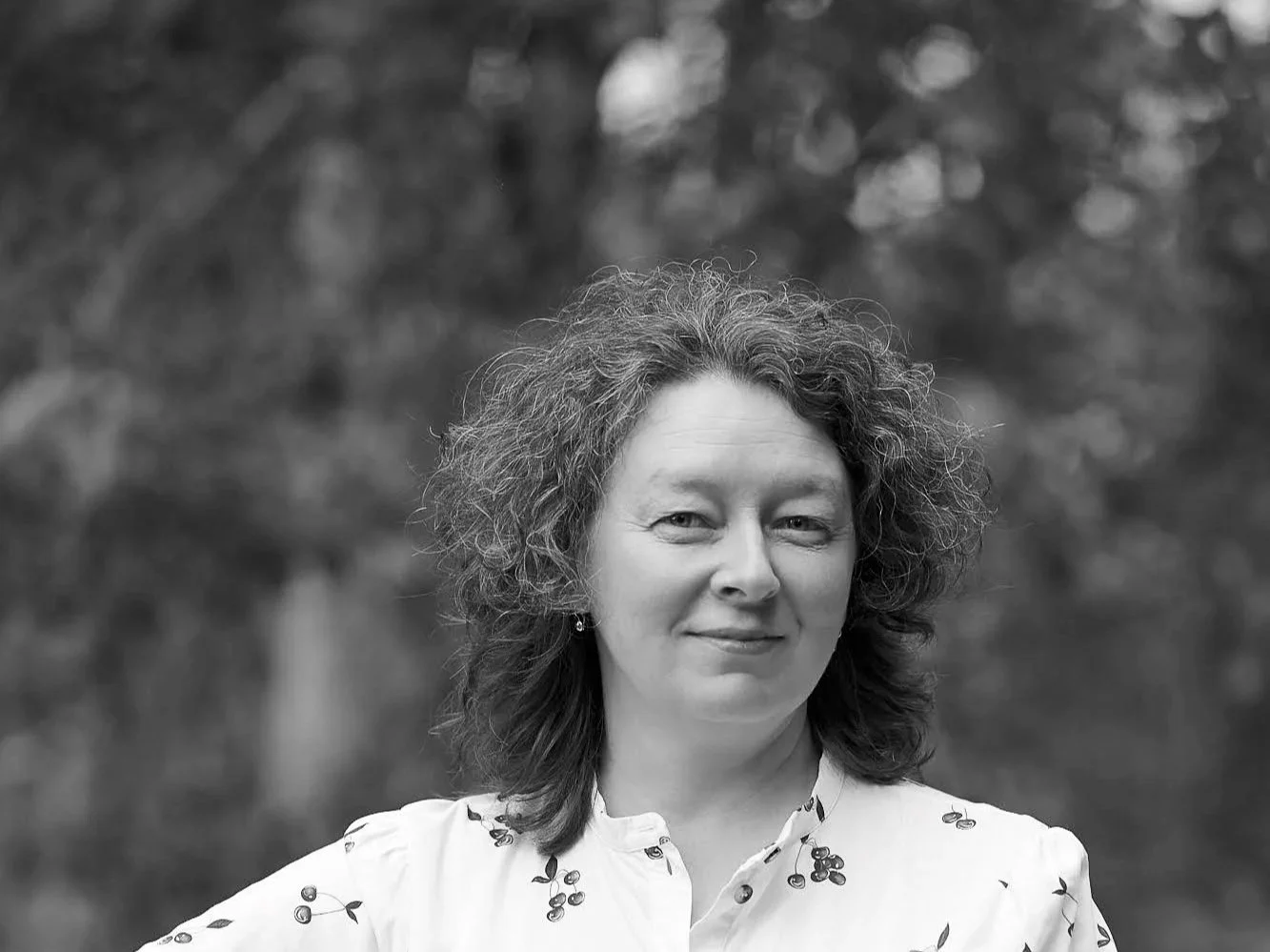
Luba Kuzovnikova: 'I prefer organic development rather than revolutionary shifts'
Interview with Luba Kuzovnikova, director of the Nordnorsk Kunstnersenter (NNKS), Svolvær, 2026
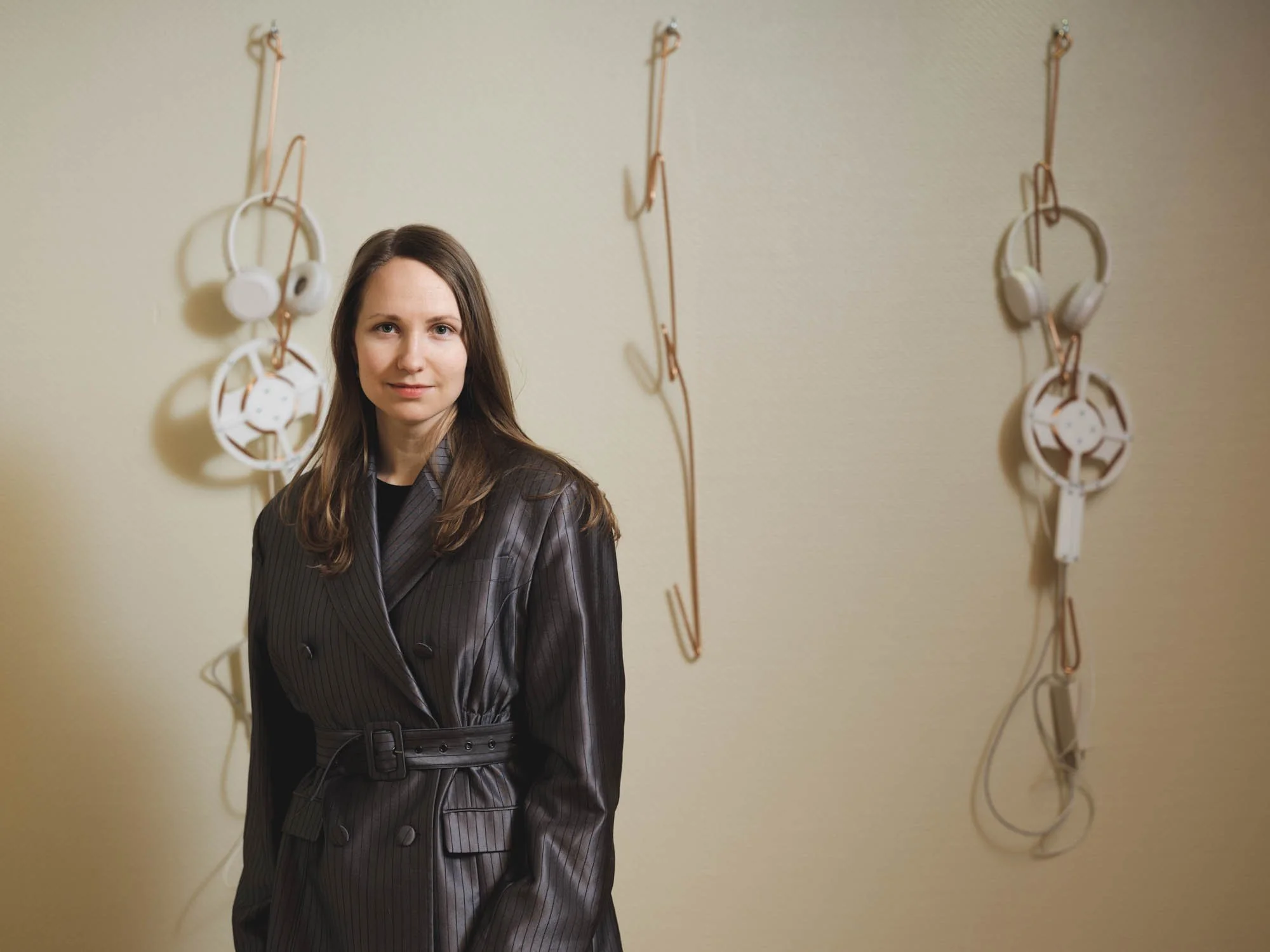
Between local politics, artists of different generations with much to say about the organization’s activities, and a tentacular development that may or may not be too much for the Nordnorsk Kunstnersenter’s (Northern Norway Art Center) capacity, Luba Kuzovnikova has her hands full as director of the decades-old institution.
Text by Marion Bouvier
Luba Kuzovnikova’s path from Severodvinsk, a town near Arkhangelsk in Russia, to Svolvær in Lofoten goes west, east, north, south, and finally north again. She did an exchange at Utica College of Syracuse University, upstate New York, before moving to Tromsø, where she studied Norwegian and took additional courses as part of the exchange program. The year was 1998, and Kuzovnikova was supposed to be in Tromsø only for 6 months. Taken by the city, she stayed another year to study art history at the UiT, together with Hanna Horsberg Hansen, who herself became a renowned academic specializing in Sámi art. The pair were arguably the most studious students in their program, Kuzovnikova reminisced when I interviewed her.
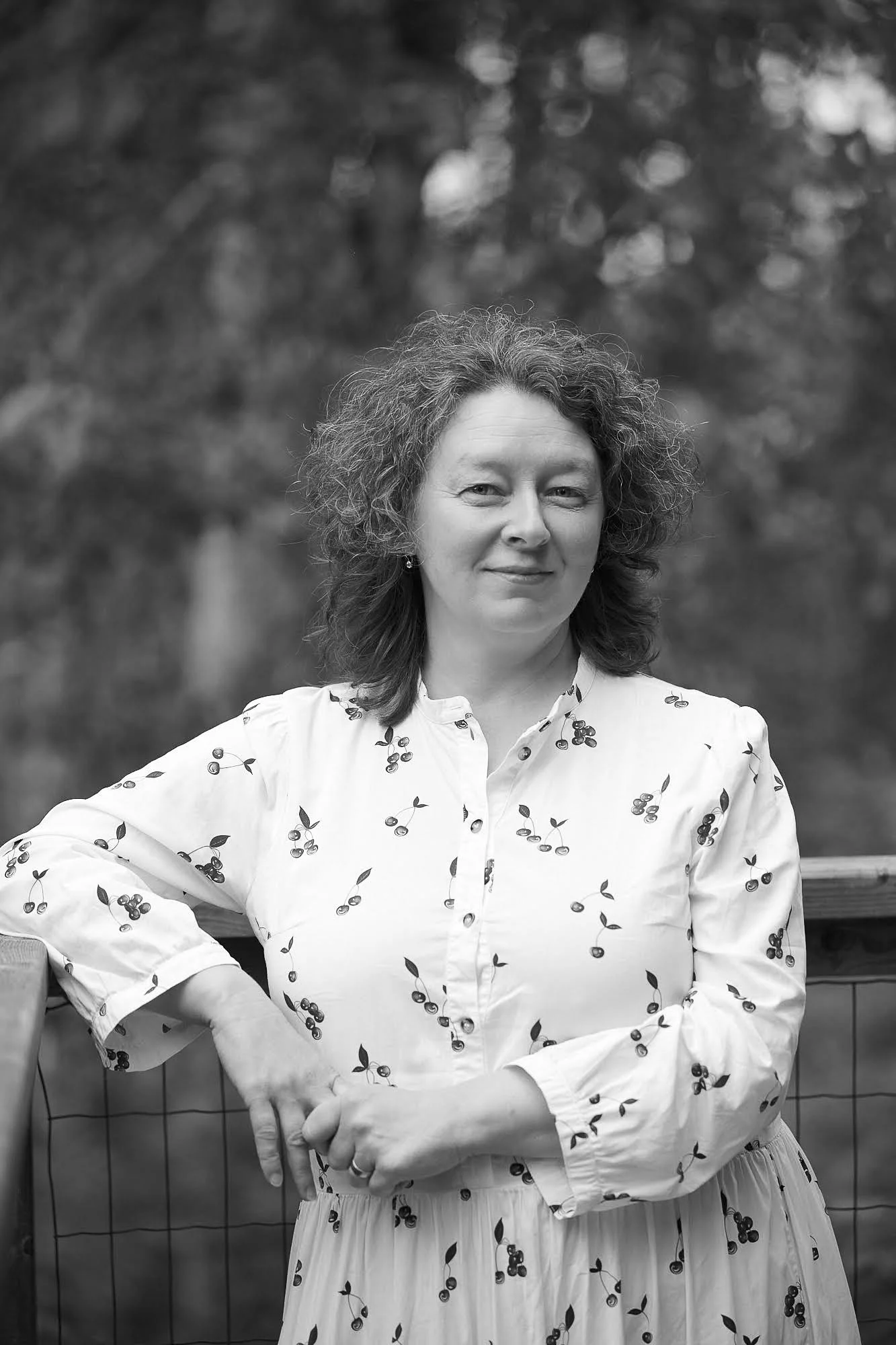
– We were the ones who always came prepared for class, who read all the syllabus, she laughed.
Simultaneously, she had started working at the Tromsø Kunstforening. As an exhibition assistant, she met artists and started learning how the institution functioned, but she credits her role as a waffle-maker on Sundays as having really introduced her to the local community.
– The Sunday waffles tradition was a great hub to meet artists, locals, and families, she recalled.
Her extra year completed, she returned east to Russia, where further studies in Moscow led to her first jobs in cultural institutions. But the call of northern Norway proved too strong. In 2006, the artist collective Pikene på Broen invited Kuzovnikova to become its new artistic director in Kirkenes. Kuzovnikova would go on to remain at the helm of “Pikene” (including the festival Barents Spektakel) for 14 years.
From Kirkenes to Venice, more bridges, and then, Lofoten
A lifetime seems to have unfolded in Kirkenes for Kuzovnikova: 14 years heading a growing organization, hosting residencies, accompanying artists on wild trips to the tundra, and building up an artistic environment that initially consisted of no more than people who could be counted on one hand.
– It was easy to invite artists from around the world. Kirkenes became a hub of creative energy, attracting people to develop and present new ideas locally.
The artists became ambassadors for the region, and projects were presented widely. As director at Pikene på Broen, the Norwegian and Russian artistic communities were as important to me as the region's geopolitics. The borderland and its complexities shaped our focus.
In 2020, Kuzovnikova headed south, this time to become the project manager and producer for the Nordic Pavilion at the Venice Biennale. Five years between Oslo, Stockholm, Helsinki, and Venice. But once again, the North called, and in 2025, it was announced that Kuzovnikova would become the new director of the Nordnorsk Kunstnersenter (NNKS), arguably the most influential art organization based in Nordland.
From Pikene på Broen in Kirkenes to the NNKS in Svolvær, there’s a little bit over 1000 km, compared to around 1800 km between Kirkenes and Severodvinsk, the town where Kuzovnikova was born. More than the kilometers, the largest distance between Pikene and NNKS is the way each institution works.
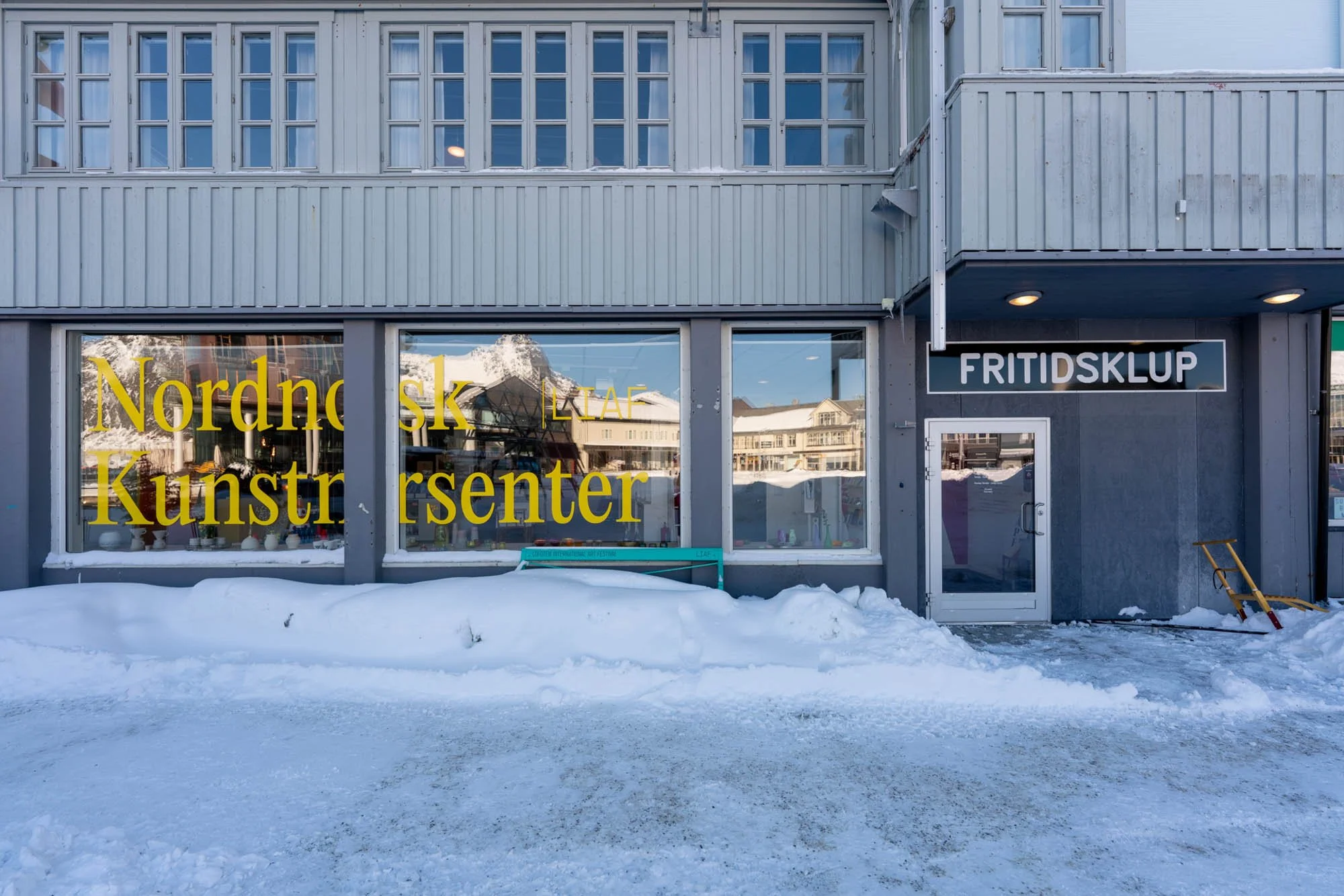
– Here at Nordnorsk Kunstnersenter, we’re talking about an old organization with deep traditions and well-established routines, governed by artists. The focal point is the artistic community of the North.
A balancing act
The NNKS, to try to sum it up, is one of 15 art centers Norway and runs an exhibition space, a residency program, an art festival, and also manages several grants. Contrary to the very geopolitics-oriented work of Pikene, Kuzovnikova identified NNKS’s missions as springing much more closely from the artists' interests. Throughout our interview, she repeatedly emphasized that NNKS, and everything it encompasses, stem from the institution's identity as an organization established and governed by artists (they are present on the board, in art mediation, in juries for exhibitions, as well as programs and grants). But that doesn’t come without contradictions, as the new director also pointed out.
One of the recurring points is the difference in artist generations: there are the pioneers from the 1970s, who have worked and stayed in the area when being an artist in Nordland meant being completely outside of the art market’s gravity center(s); then the artists who settled in the region or graduated in the 1980s and 1990s, when artworks started to find a new market in connection to the growing tourism industry; up to now, when young graduates not only tend to come back to the North, but also, young artists from other parts of Norway find in the region an attractive place to settle. These different waves of artists do not all share the same goals and interests, and throughout our interview, Kuzovnikova refers to this balancing act in as diplomatic terms as possible.
– Historically, artists who settled here in the 1970s, 1980s, and 1990s were very politically active. (...) Younger artists are getting settled, and I think we can create platforms where different generations of artists get to know each other, work together, and learn from one another.
Balancing the wishes and needs of different generations and artists' personalities would already be challenging enough in itself, if it were not for other dilemmas that are about to require important strategic decisions. One is the future of the “Nordnorsken”, one of Norway’s five annual regional group exhibitions, which has taken place since 1948 and catalyzes many expectations among artists. The growth of the Lofoten International Art Festival (LIAF) has made it a biennale that has potentially become too big to handle. And lastly, the tension between the demands of different funders. Let’s add to this mix the need to revamp the art shop, and questions about how best to run the residency in a semi-commercial way.
– It’s important to approach organizational development thoughtfully, while remaining true to our origins as an artist-governed center. The organization has evolved; we now have a staff team covering mediation, curatorship, communications, and production. Our upcoming strategy will help us define how to manage all these mandates while maintaining a close connection to the artistic community.
“The world has enough revolutions already”
During our conversation, Kuzovnikova radiates enthusiasm for her role. With sparks in her eyes, she explains that her position as director of NNKS shapes her approach to managing the institution. When I ask her if she has a signature way of leading, or a personal vision for the art center, she immediately returns to the importance of context-based work, which – in this case – means aligning her priorities with the mandates and needs of the NNKS. She says she wants to develop things organically, in dialogue with the artistic community and the team. She uses the word “co-development,” and seems uninterested in radical changes:
– I prefer organic development rather than revolutionary shifts. The world has enough revolutions already.
Although no revolutions may be on the horizon, some changes appear inevitable. The “Nordnorsken” question is maybe one of the thorniest, as it is the most intertwined with artist participation. The exhibition is owned by Bodø Kunstforening, but as of 2026, NNKS has taken over the “Nordnorsken” for a three-year-contract. Due to its long history (80 years since its creation), the once modest exhibition of local artists has become a staple that many consider untouchable. However, the exhibition's reputation is rather on the decline, and it represents a significant time and resource investment, with 618 works to be reviewed by the jury in 2026 for 25 artists exhibited this year. What will happen when the contract with NNKS ends, is an open question.
LIAF: A question of scale
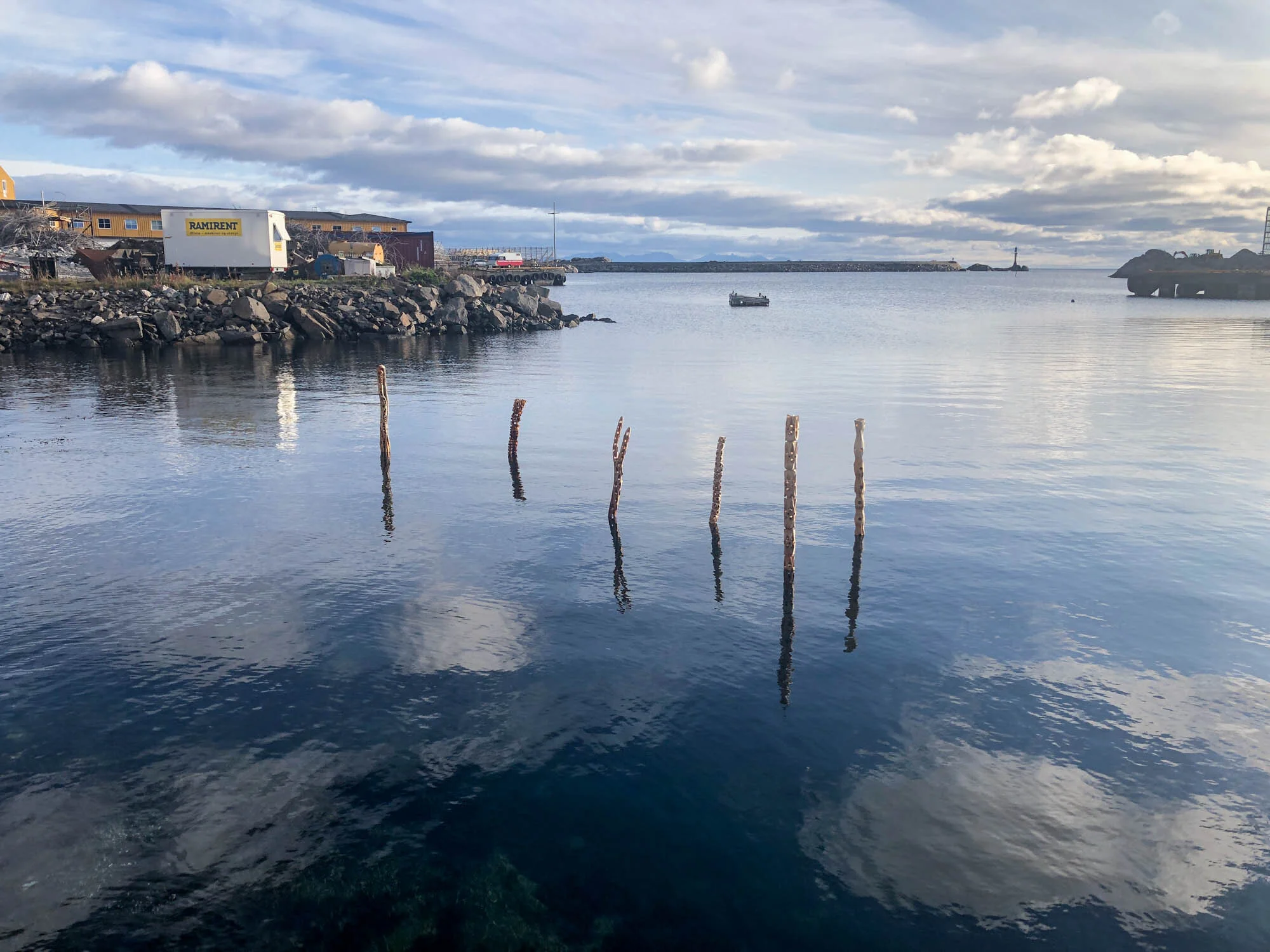
Another by-product of the NNKS, which has become an establishment in its own right, is LIAF, the Lofoten International Art Festival. Founded in 1991, the biennale in Lofoten has grown into an international focal point, attracting dozens of curators and artists from across Norway and Europe, and boasting to be the longest-running art biennale in Scandinavia [1]. With new curators selected for every edition, and new venues transformed into sanctuaries for international art, LIAF is an ambitious, successful venture that adds another long-reaching arm to NNKS. While Kuzovnikova details the many activities the Art Center is responsible for, I picture an octopus in my mind (I love octopuses, by the way).
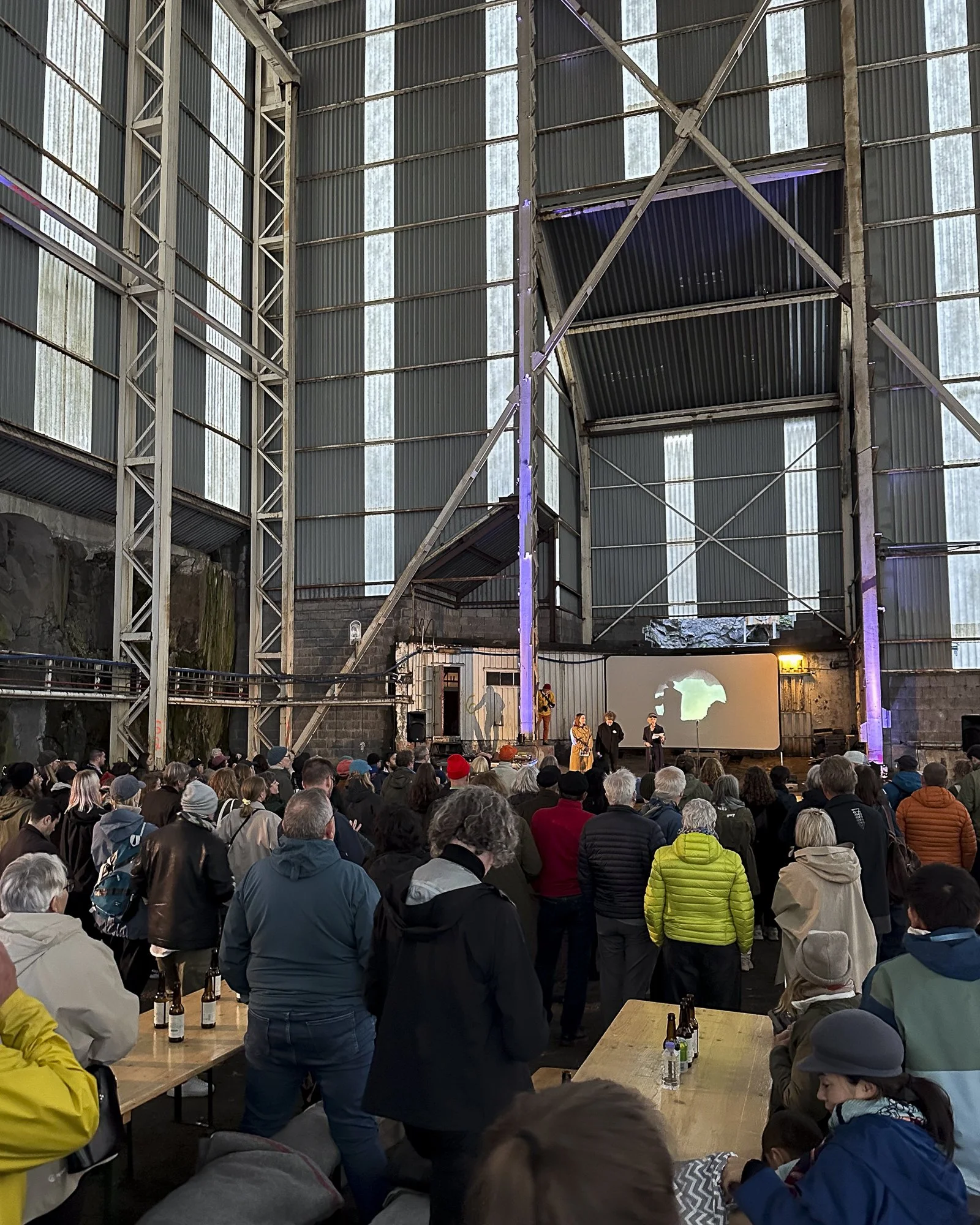
– LIAF has grown so large that it may be time to scale it down to the space and the audience's capacity, says Kuzovnikova.
– But not at the expense of content or impact, she adds emphatically.
There is a clear tension at present between the benefits of growth and the risks of diluting NNKS's essence. In addition, it feels like some projects have grown too big for what the organization itself, nested in a village of about 4700 souls, can sustainably carry. I cannot help thinking of the parallels between the situation NNKS is in within the art world and the situation the Lofoten islands are in with regard to international tourism. According to Nordregio, around 1 million tourists now visit the Lofoten Islands each year, compared to around 25,000 inhabitants: a 40-to-1 ratio. That is not to say that masses of visitors have suddenly swarmed the NNKS’s gallery space in Svolvær or LIAF, but there is a feeling that NNKS is handling many major artistic missions with significant regional and international impact, while the team remains small and the infrastructure is limited. One answer to these challenges, according to Kuzovnikova, lies in developing more collaborations with creative organizations. She has fond memories of the collaboration between Barents Spektakel and NNKS, back when she was still the head of Pikene.
A confident approach
Beyond questions about specific projects, another important topic for the new director is comprehensive art mediation. She highlights how state funding focuses on artistic development, while the county and municipality see their funding as tied to art mediation across the three countries. Just last year, the Vågan Municipality completely removed its roughly 1.2 million NOK subsidy to NNKS, citing significant fiscal pressure and a precarious financial position. The move sent shockwaves through the art institution and the art community. Nonetheless, Kuzovnikova seems confident that the situation will change again gradually, based on recent meetings between involved parties. It remains that the municipality’s decision underscored the importance of NNKS cultivating its local base and offering programs for local children and the broader audience, and put the art center in a precarious position. Art mediation is also what is at play at NNKS’s art shop. It allows people to purchase affordable art pieces that can fit in their homes.
– This is also a very important source of income for artists. We want to communicate and represent artistic practices in a more interesting way than just displaying art.
Kuzovnikova explains that she, along with the staff, will consider renewing the shop with these factors in mind. It has to support artists, but also be thought through as an opportunity for art mediation.
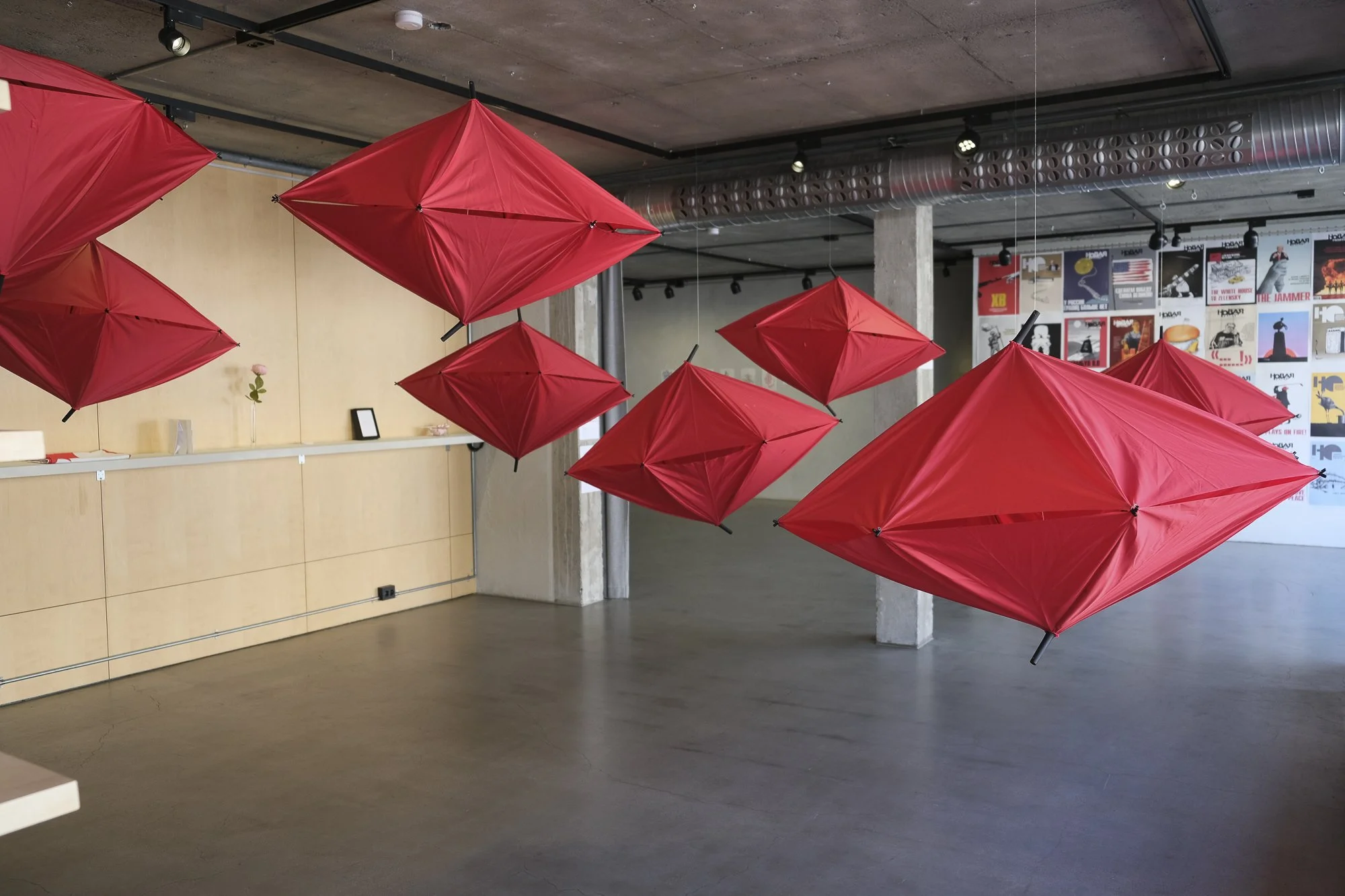
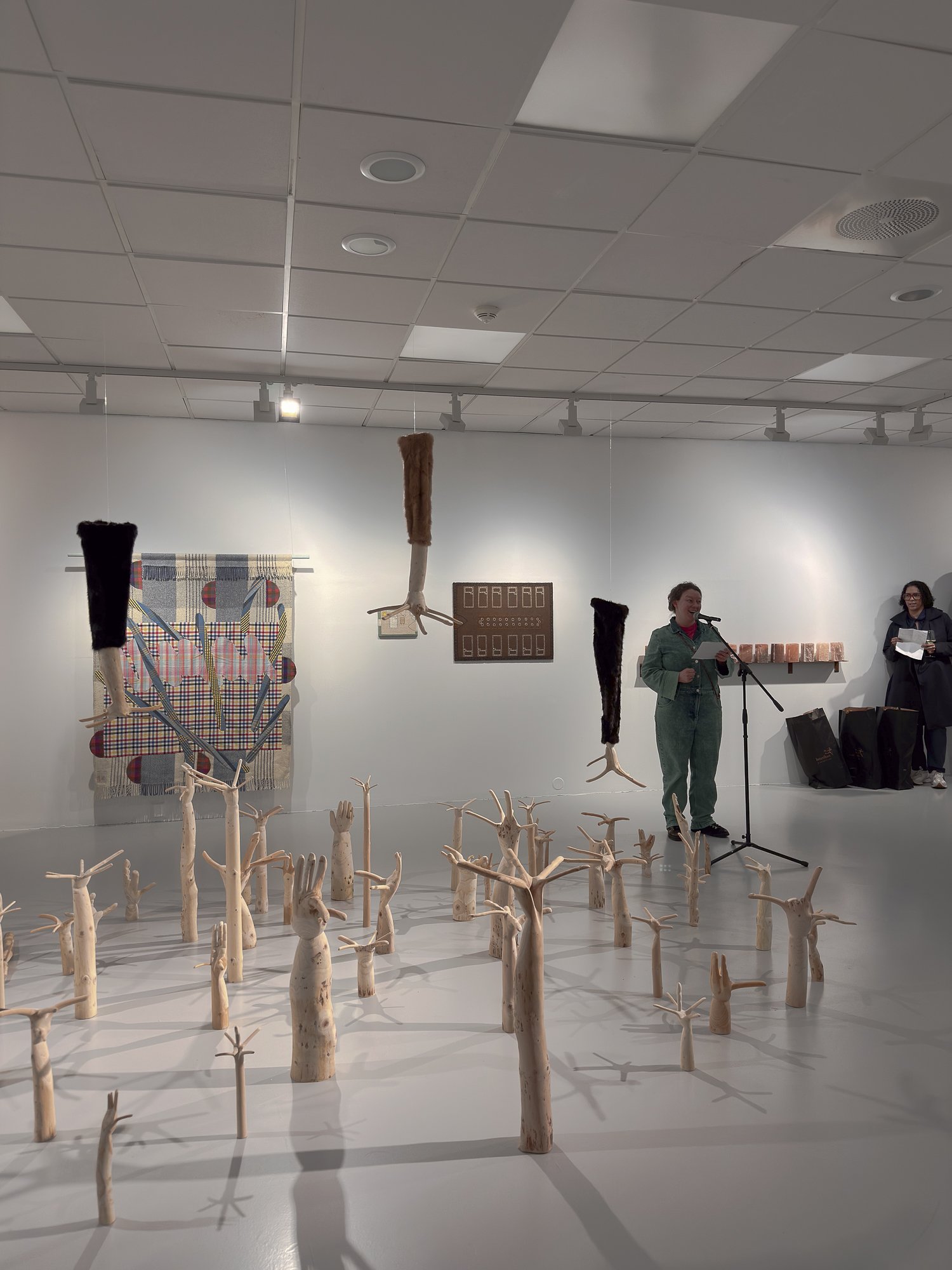
All in all, our conversation has centered on questions of balance, the organization's growth, meeting artists' needs, and strategic decisions regarding the various activities NNKS is responsible for. That leaves out a topic that I had imagined would be more present in our conversation: curating art. Kuzovnikova curated this summer’s exhibition, The Confident Edge. It uses woodcut as a gateway to a multigenerational dialogue around matter, technology, and the pull of a slower pace of life. Kuzovnikova describes it as a bit of a rushed process, as the team only had about 6 months to create the exhibition, but expresses satisfaction at the result. Mostly, it reflects the way she envisions her work at NNKS.
– For me, it was also a good process to get to know the artists better. It gave me a chance to visit studios, start conversations, and think about how we can create more cross-generational exhibitions in the future.
As for next year, she tells me, without any sense of disappointment, that the curatorial program had already been made when she was hired. This includes the LIAF 2027 which will run between May 28 - June 27, and is curated by Filipa Ramos. It seems like Kuzovnikova already has a mouthful to chew on, and curating can wait. In any case, there is no doubt that the director is at home in the North, and that she has at heart to keep close to what she was doing almost 30 years ago as a young student in Tromsø, making waffles at the Kunstforening: getting to know and serving her artist community.
Footnotes:
1: Luleåbiennalen (The Luleå Biennial) also claims this title as it too was established in 1991. However Luleåbiennalen started out with a different name and has not had the same continuity as LIAF.